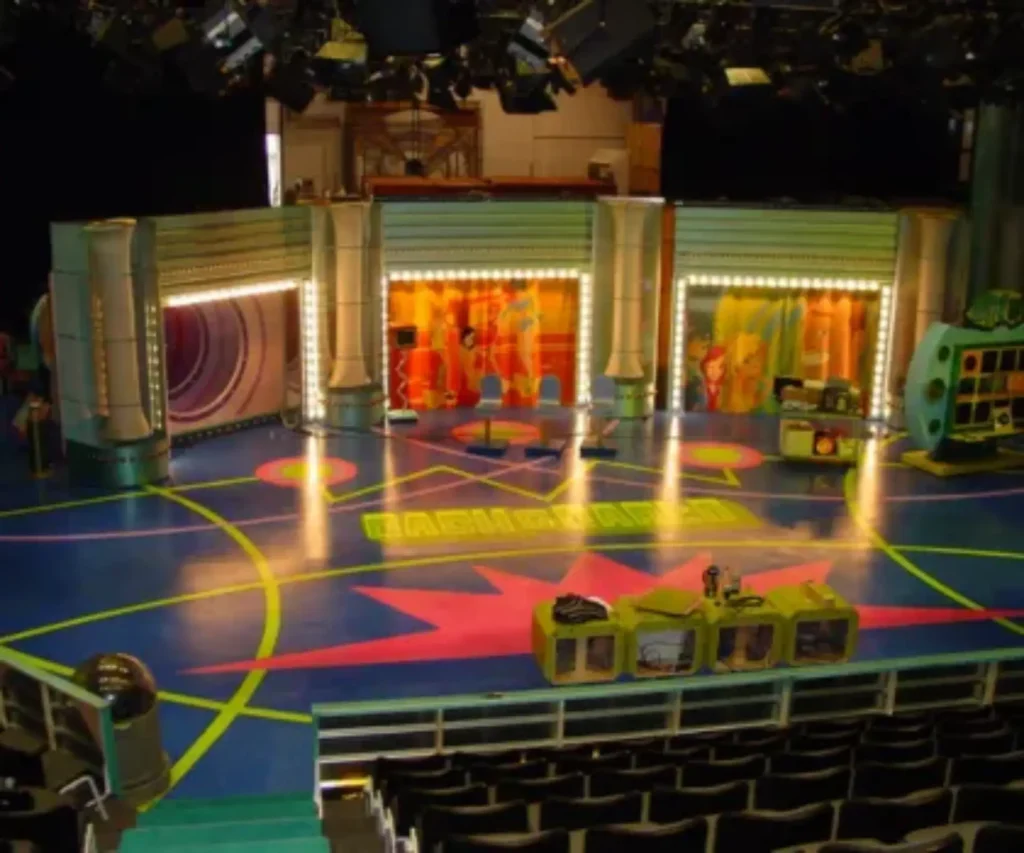
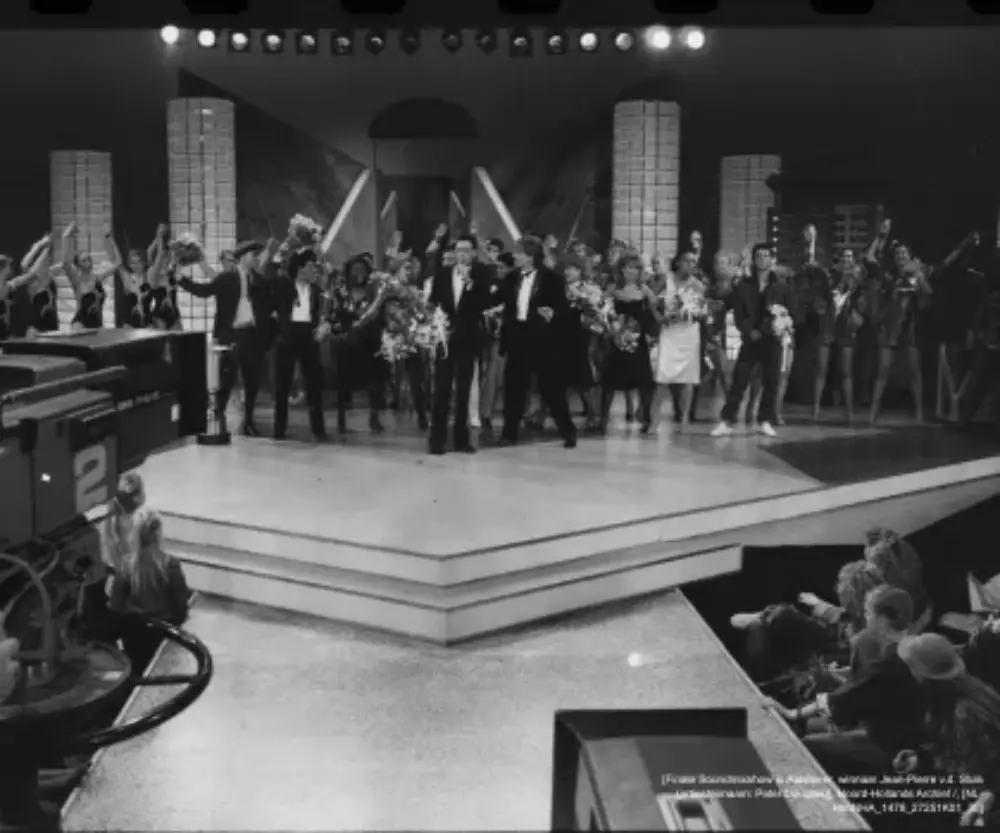
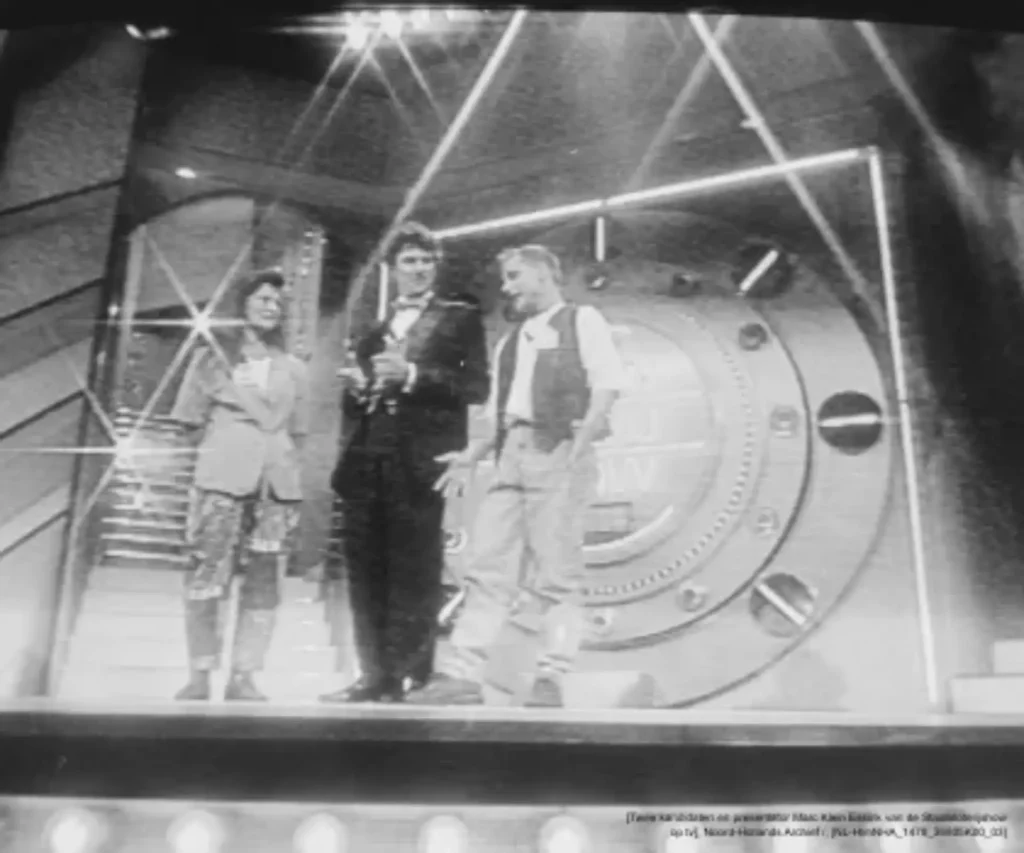
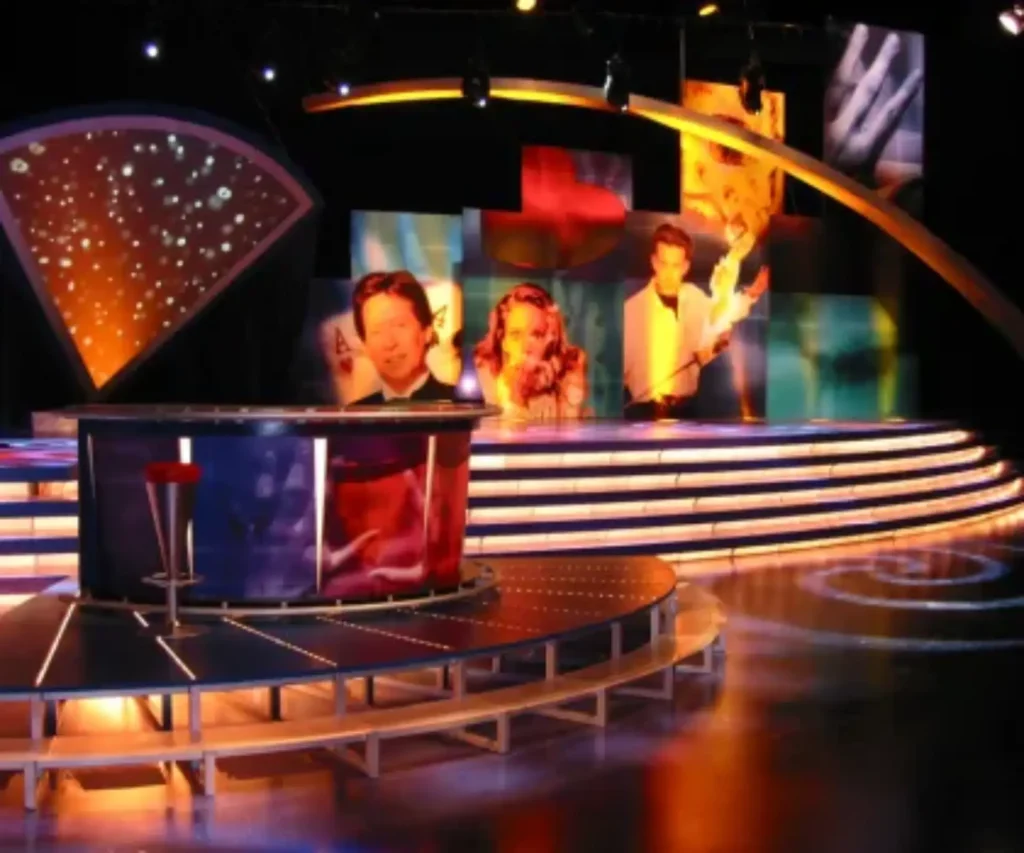
From the very first set builders in the 1950s to who we are today, 75 years of craftsmanship, passion, and evolution behind the scenes of your brand.
Our story didn’t start with a grand plan. It started with people who loved what they do. In 1951, a small team of set builders brought stories to life in the studios of Dutch television, one carefully crafted set at a time. Over the decades, our name has changed. Our craft evolved. But our commitment to quality, precision, and putting your brand first never did.
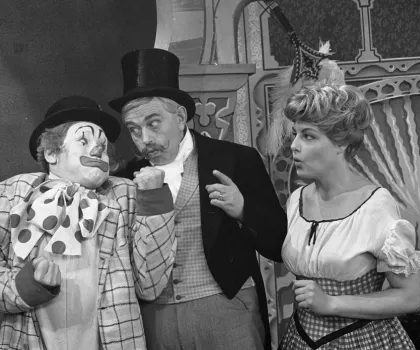
To celebrate 75 years of Unbranded, we made a mini documentary series about our history. In episode 1, former colleagues Arnold Kroon and Anuska Bán share their time at Unbranded, and Ad Visser looks back on the black-and-white era and TopPop. The documentary is in Dutch.
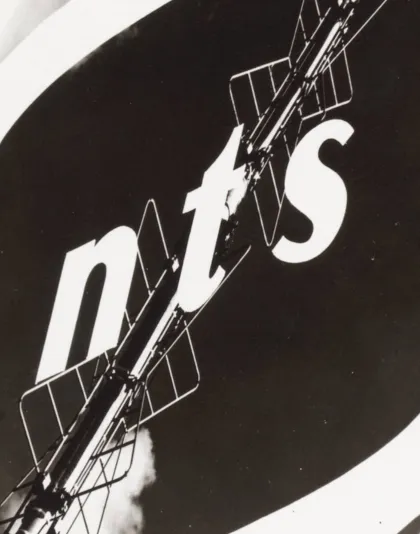
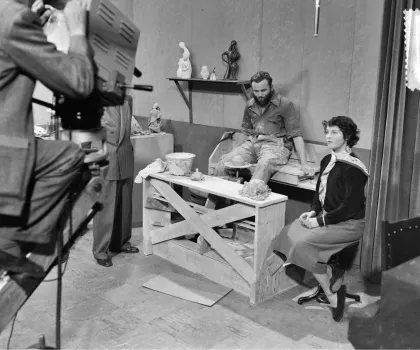
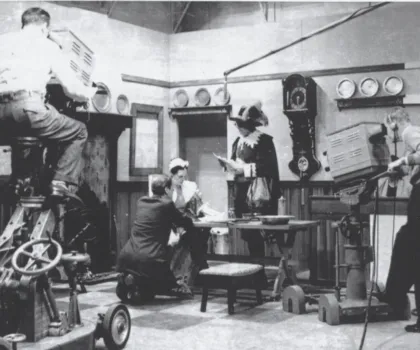
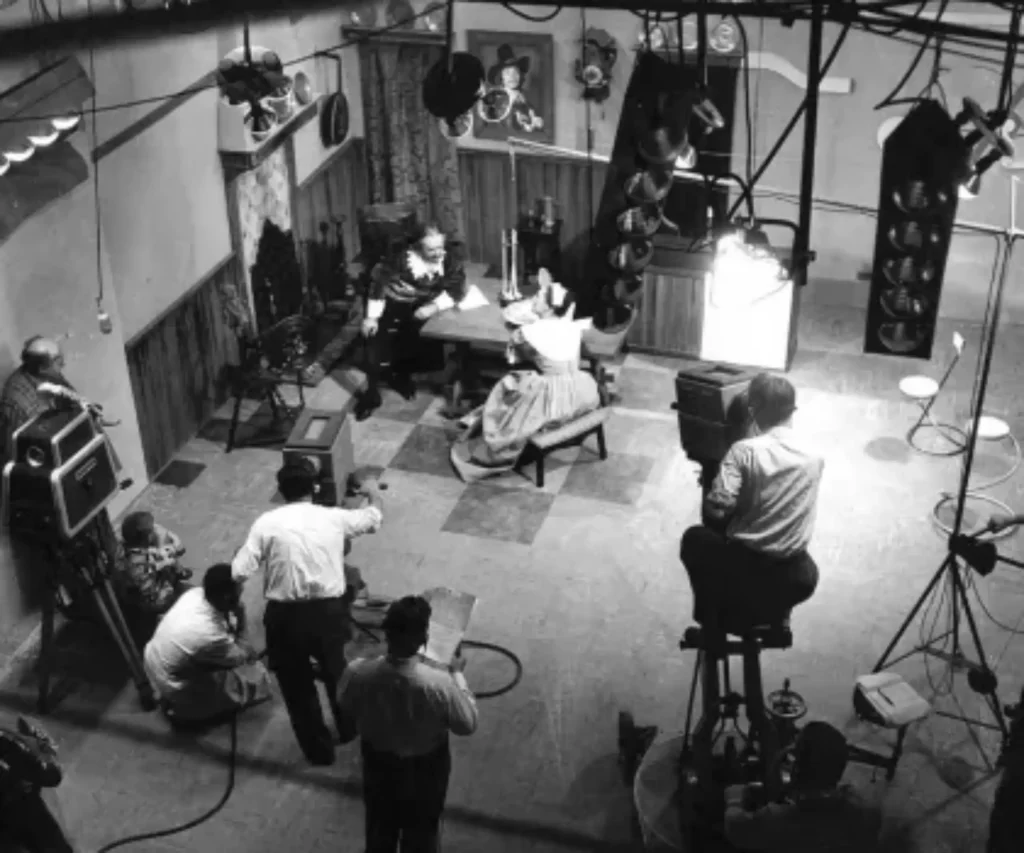
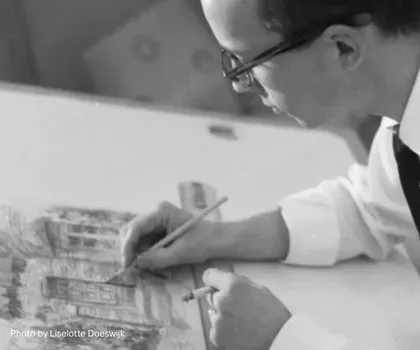
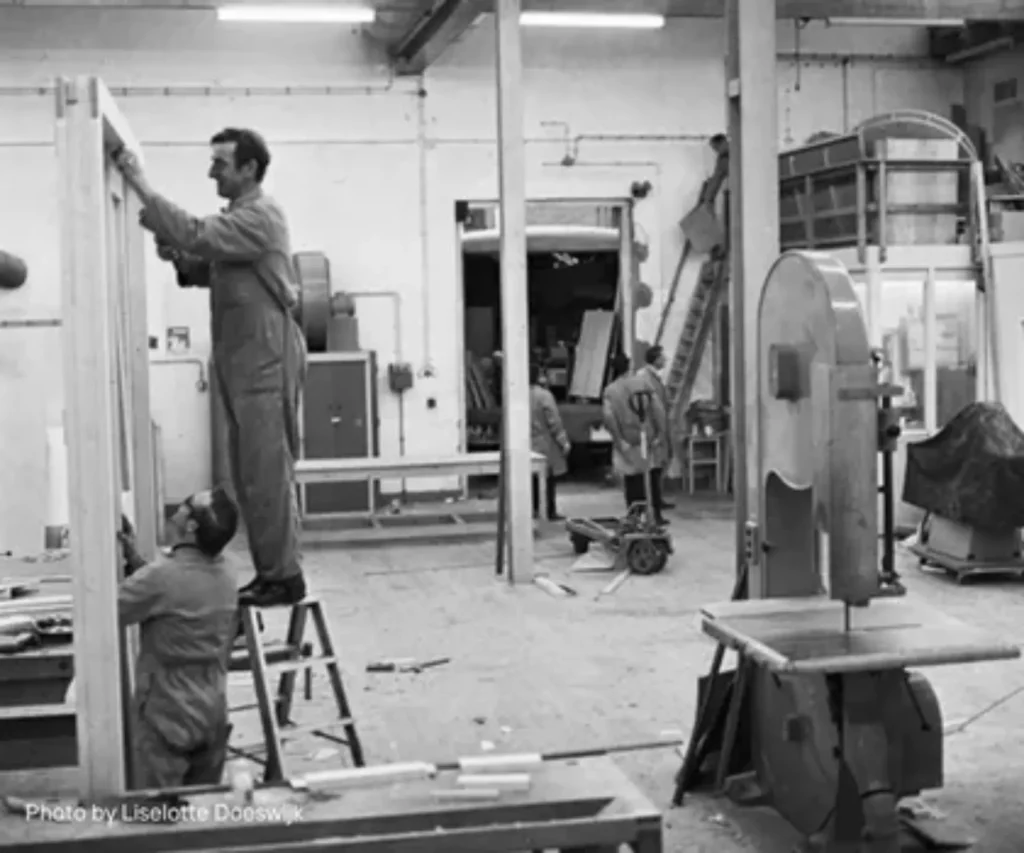
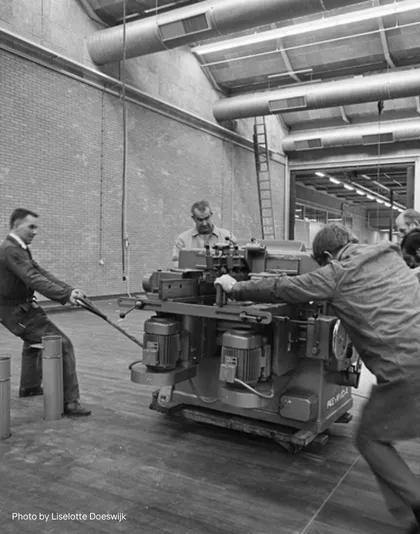
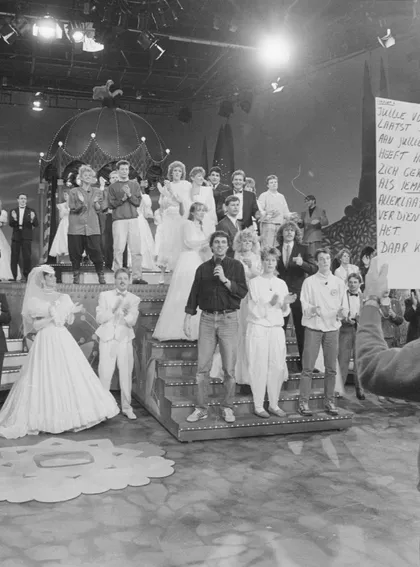
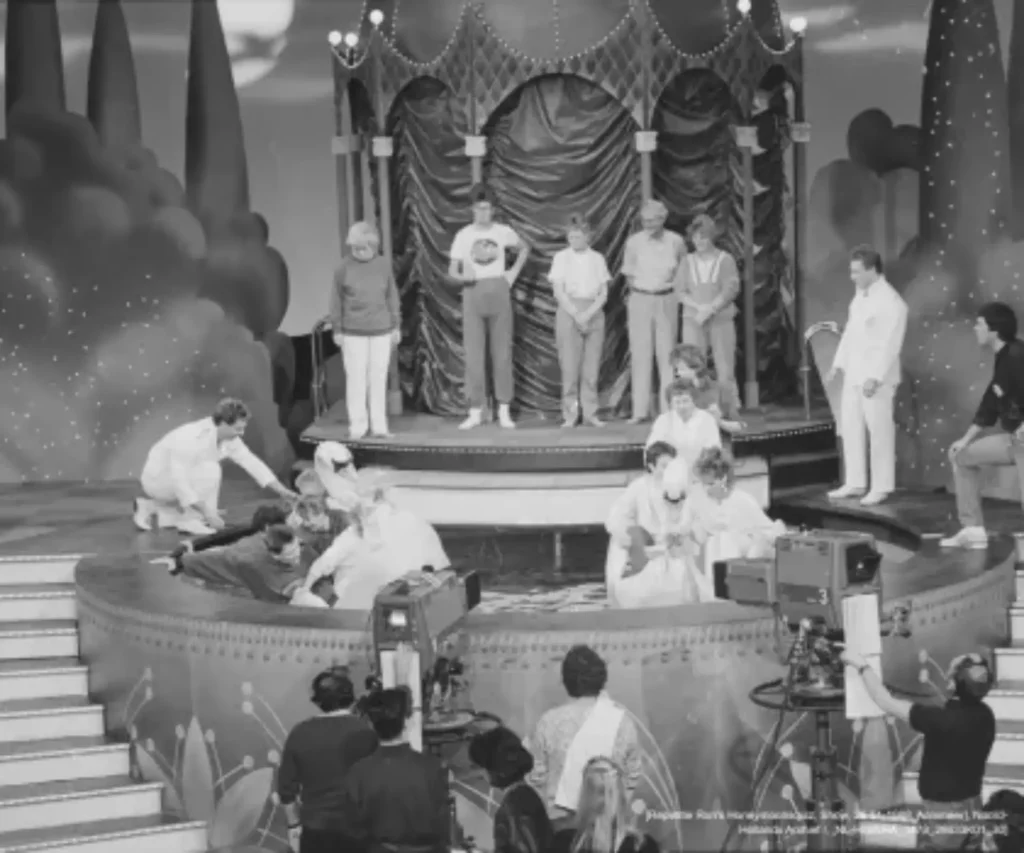
Dutch television was taking its first steps, and so were we. In 1951, the set-building department of the NTS (Nederlandse Televisie Stichting, now NOS) was founded on the Plaggenweg in Bussum. The sets are built on the studio floor of Studio Irene, a simple start, but with a lot of passion and hard work. The team works day and night, seven days a week, to make sure every set is ready in time for broadcast.
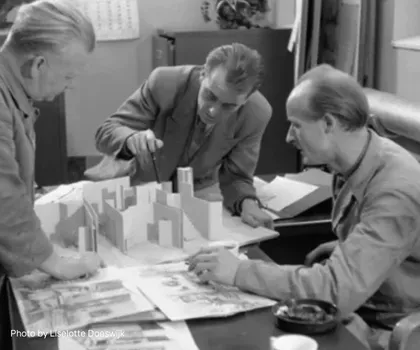
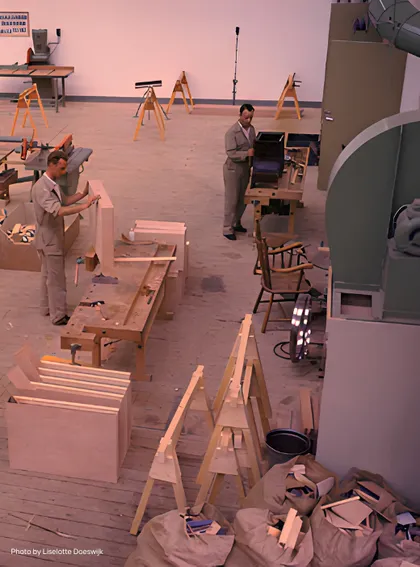
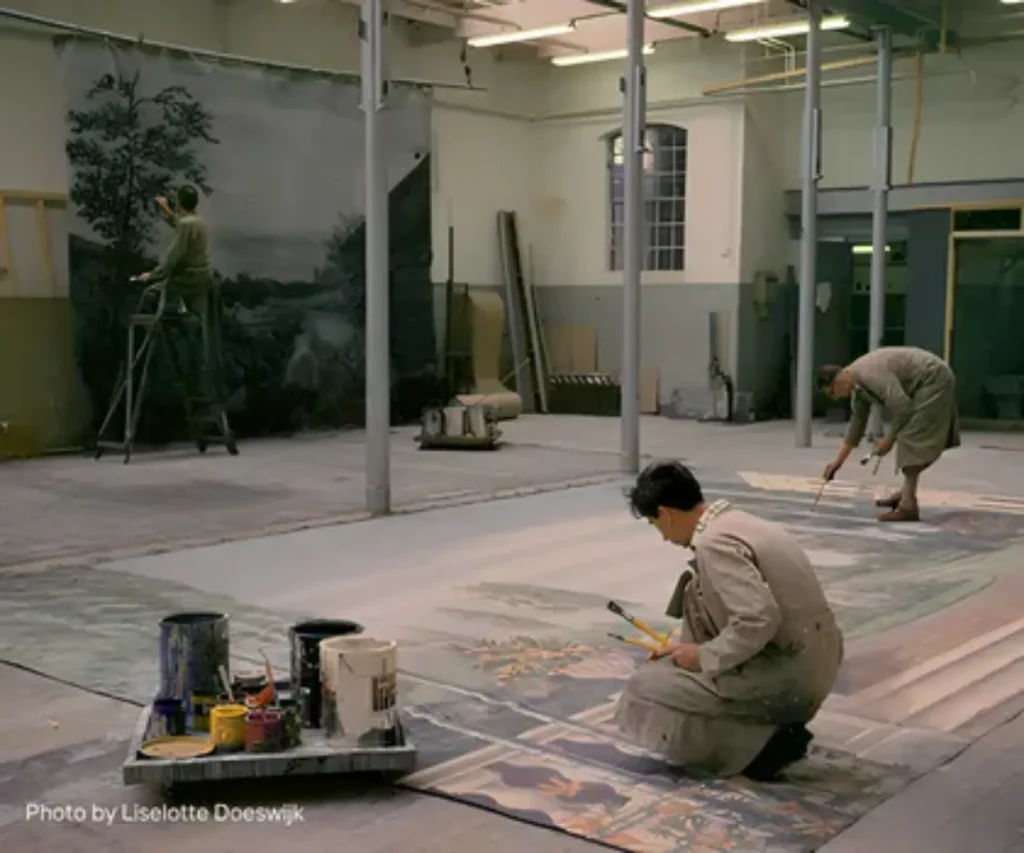
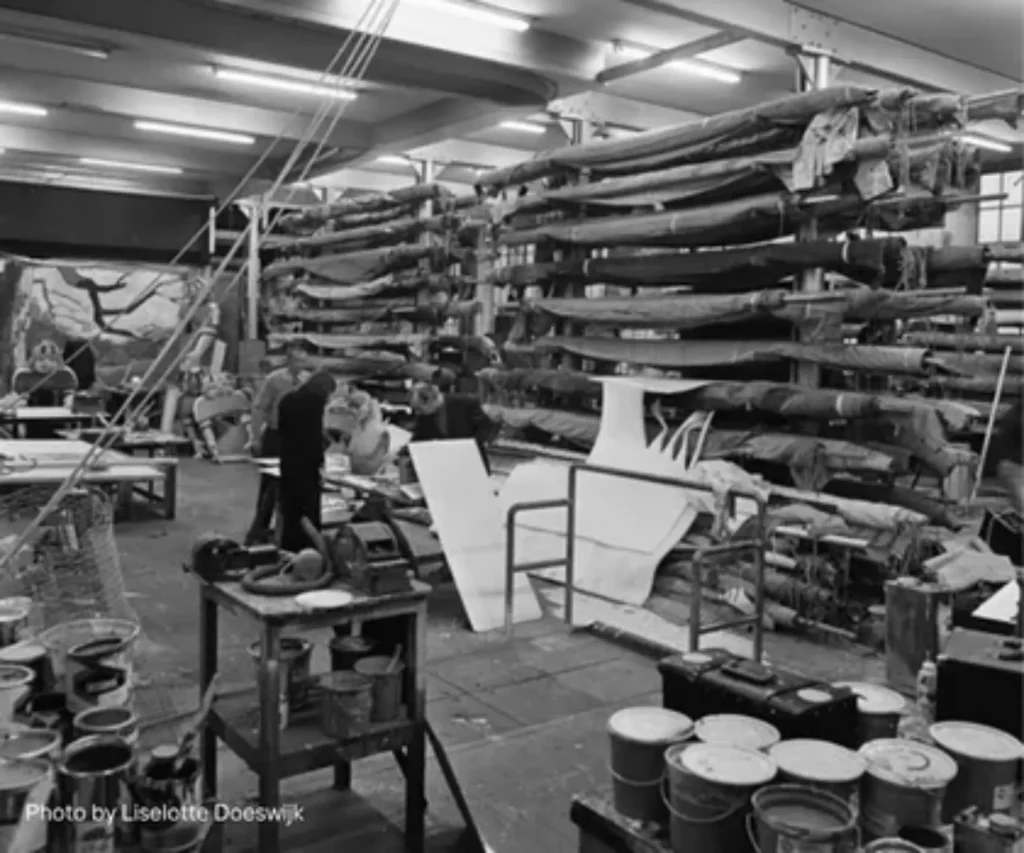
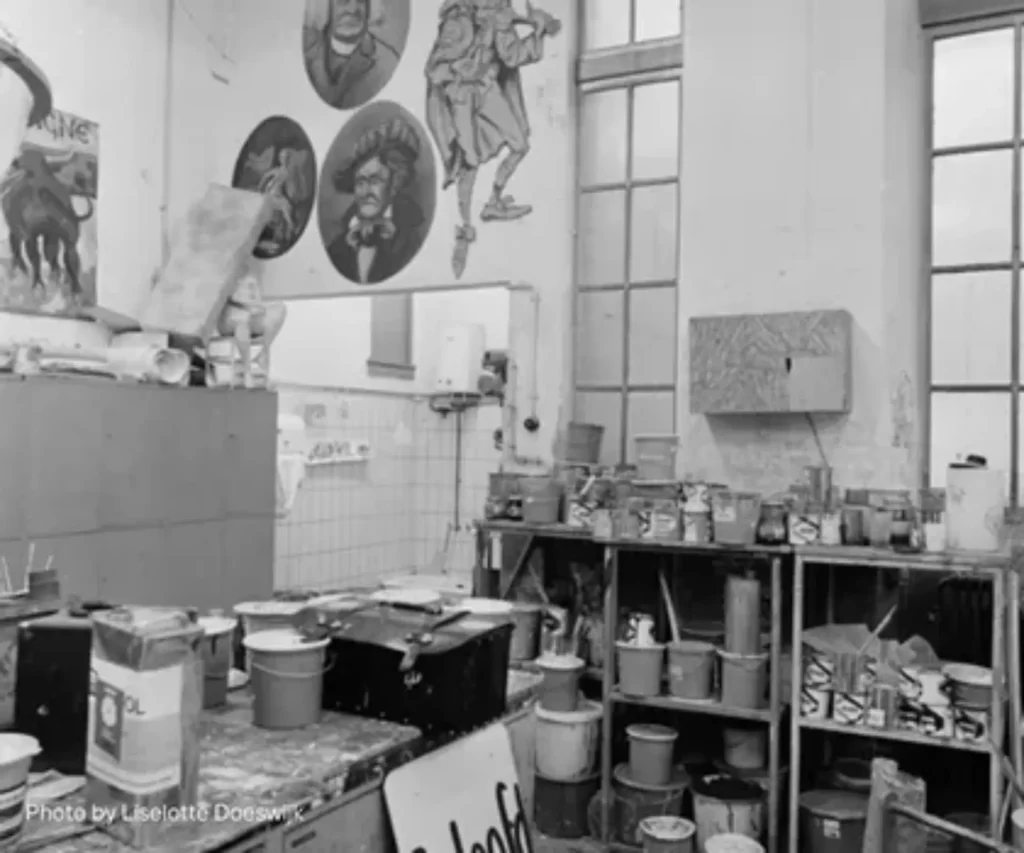
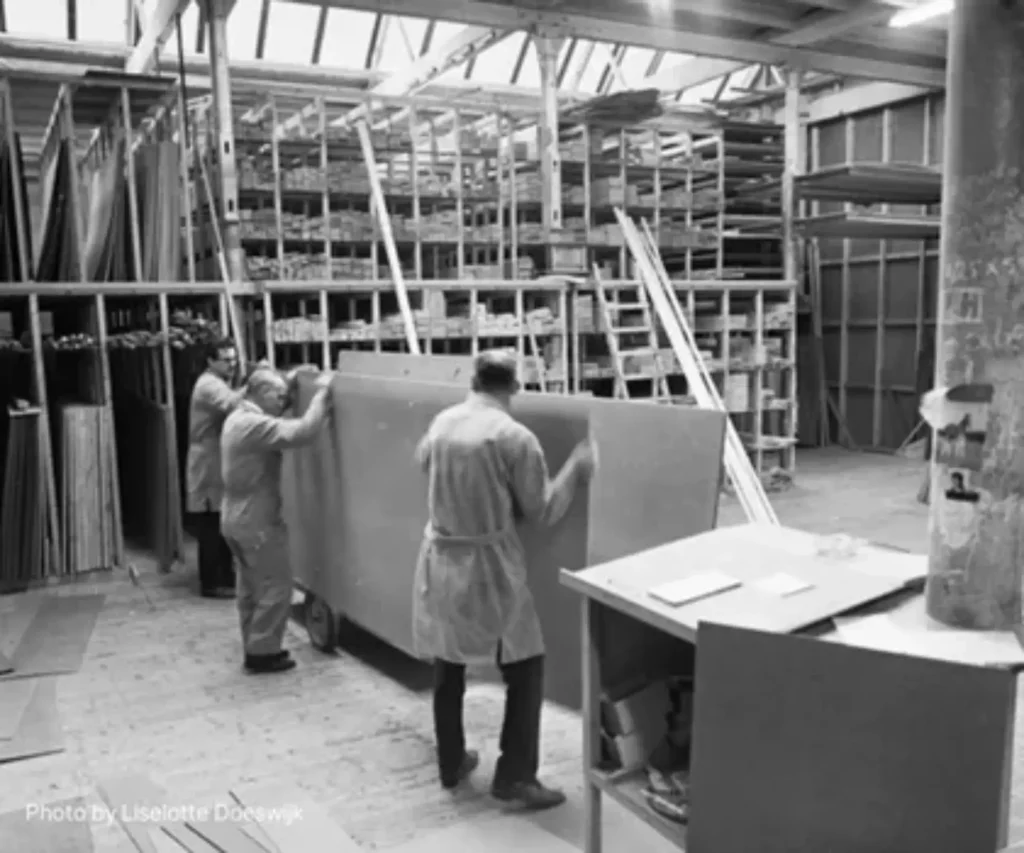
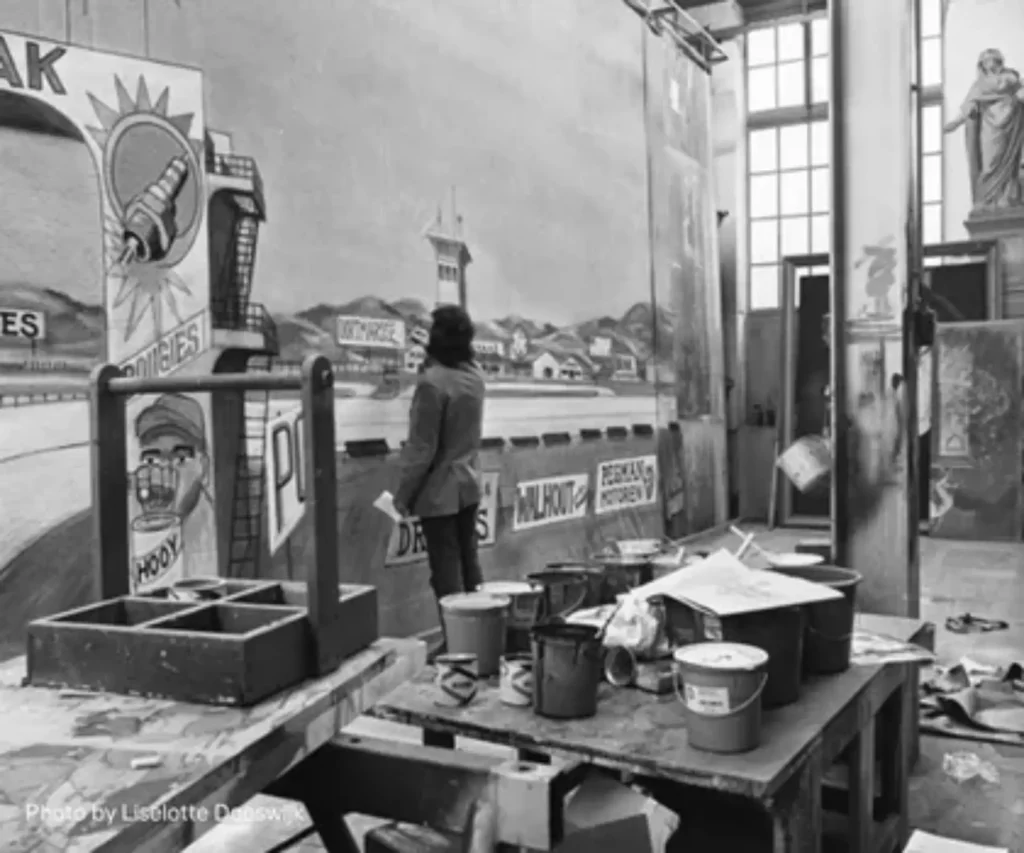
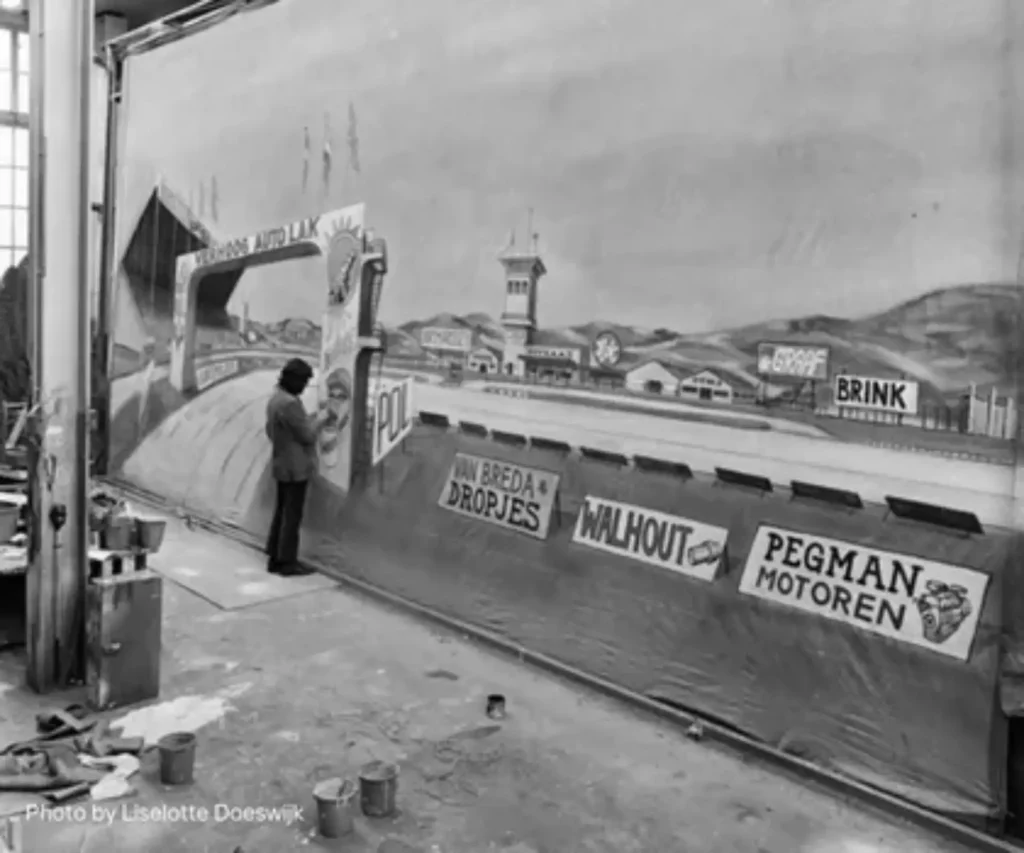
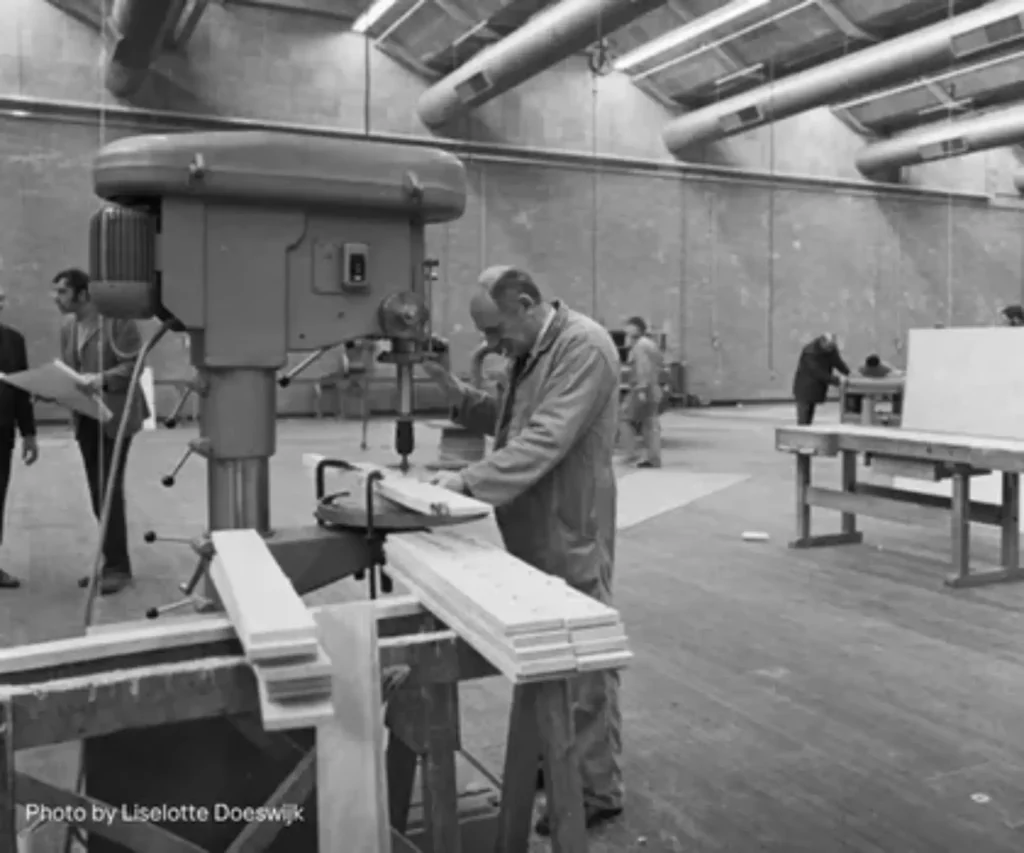
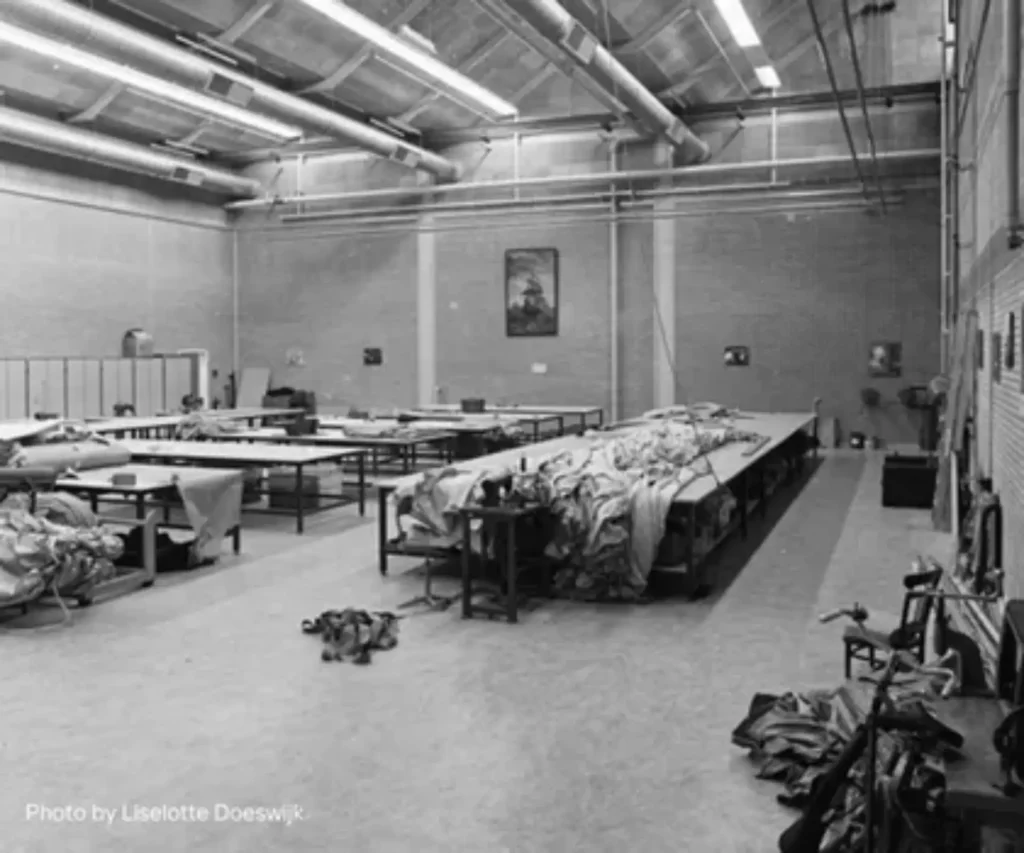
As television grows, the team grows too. More skilled craftsmen join, creating specialised teams for carpentry, scenic painting, set decoration, upholstery, and props. Together, they help bring every television story to life.
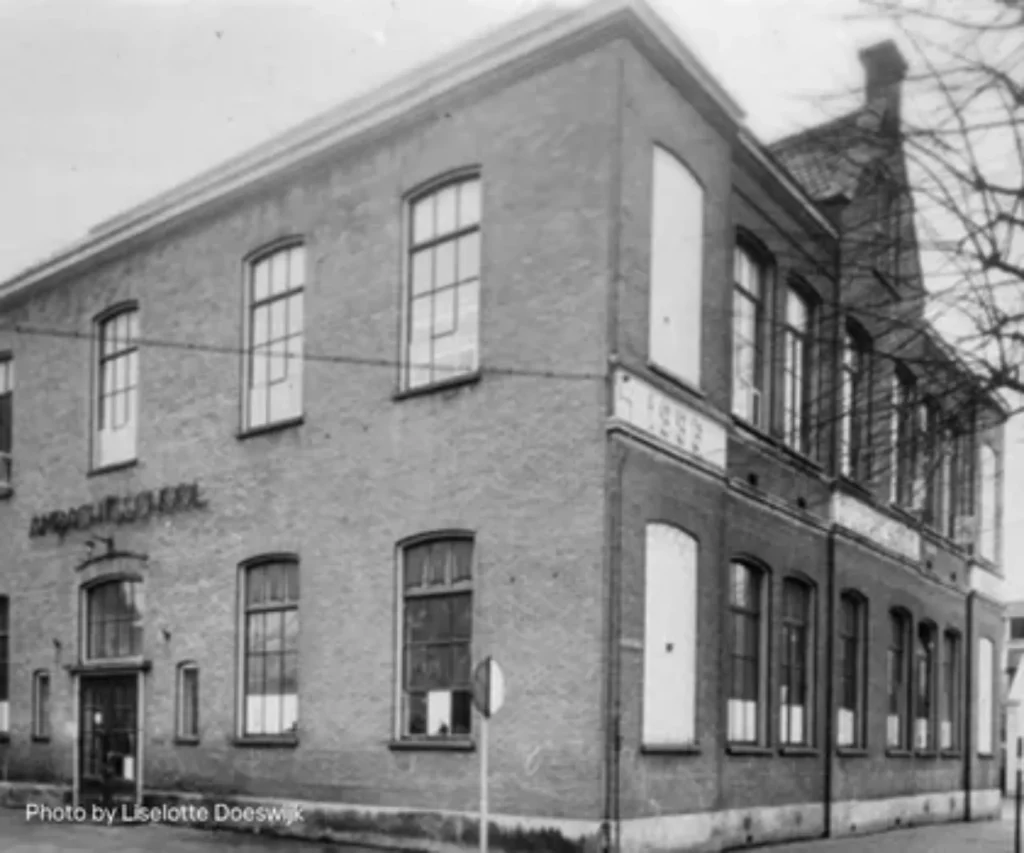
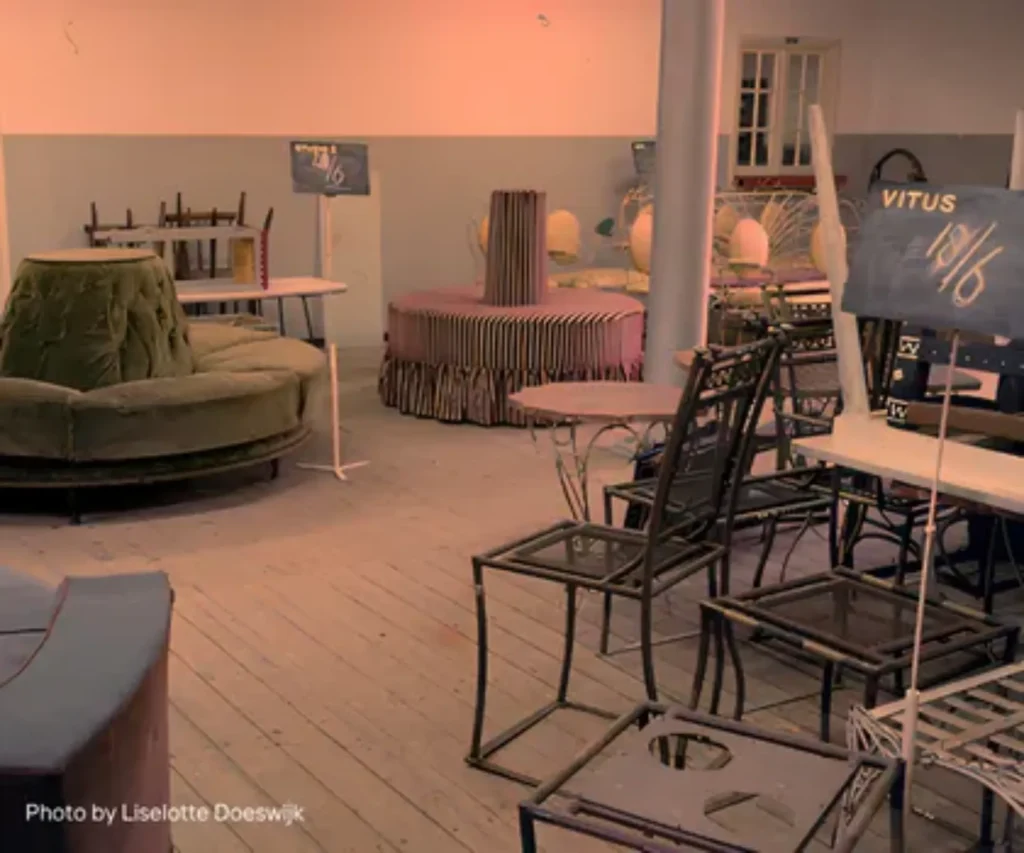
In 1956, we move to the former Ambachtsschool, close to Studio Irene and Studio Vitus. More space and another step forward alongside the Dutch television industry.
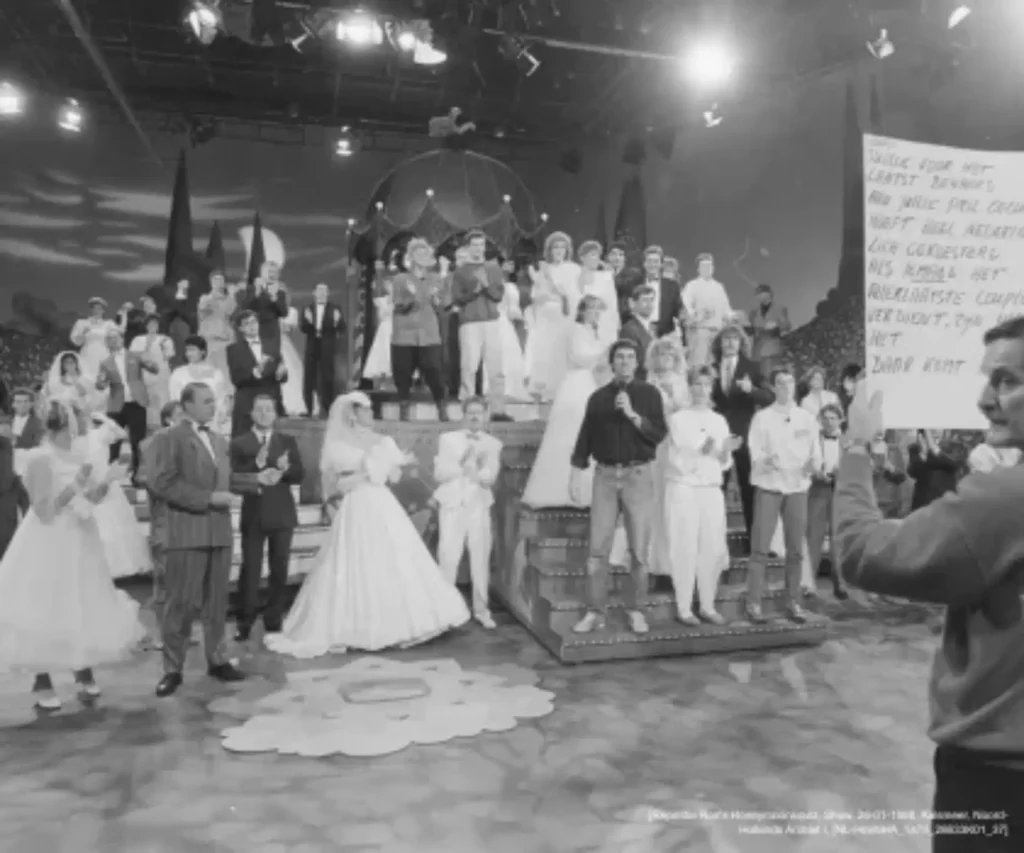
The hands that built those early sets worked with cardboard and simple light bulbs, seen only in black and white on screen.


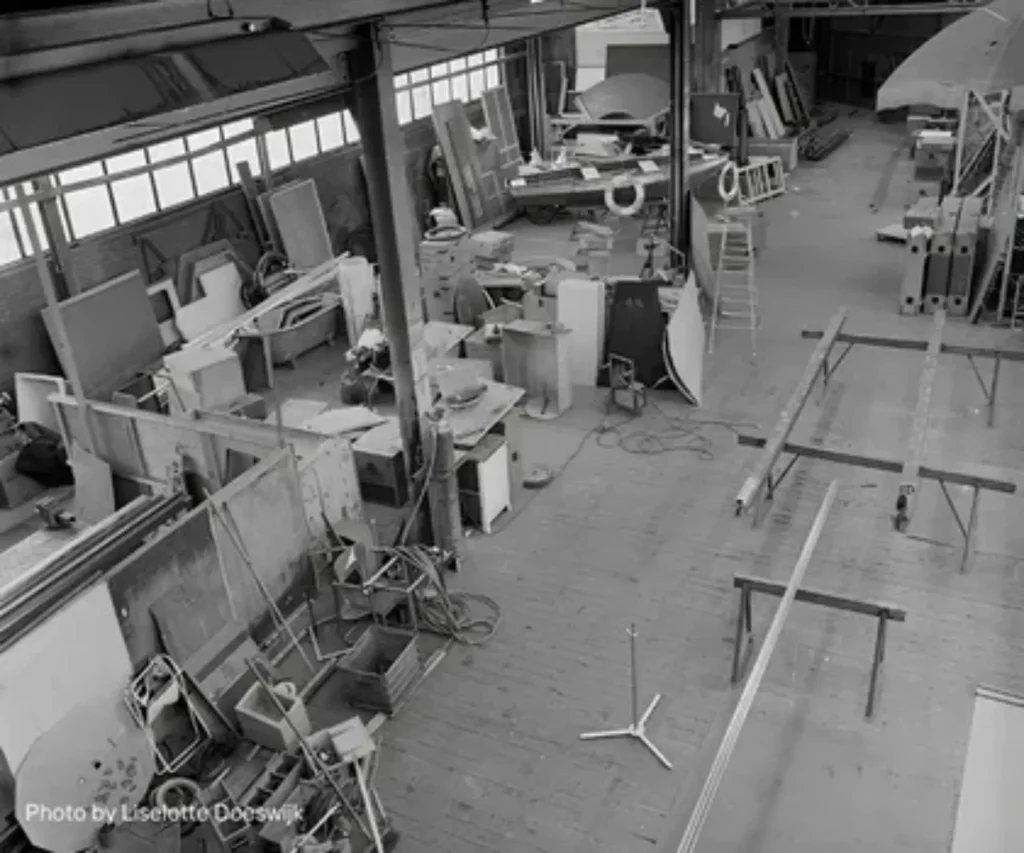
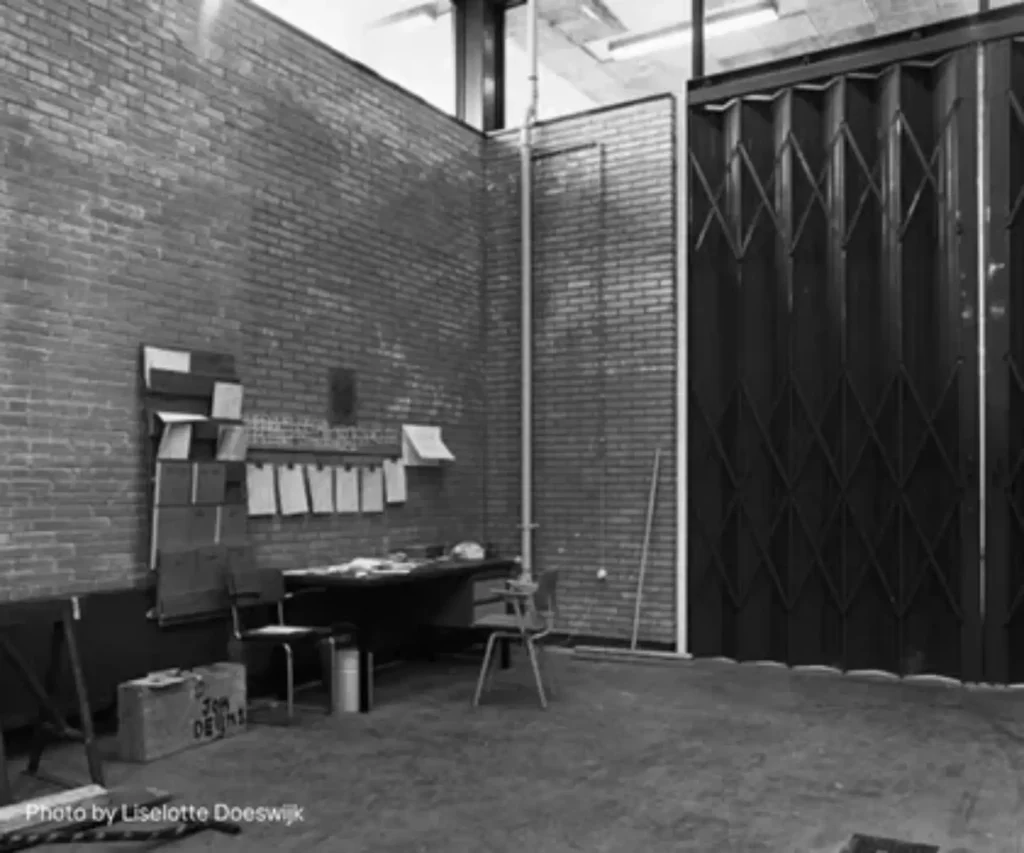
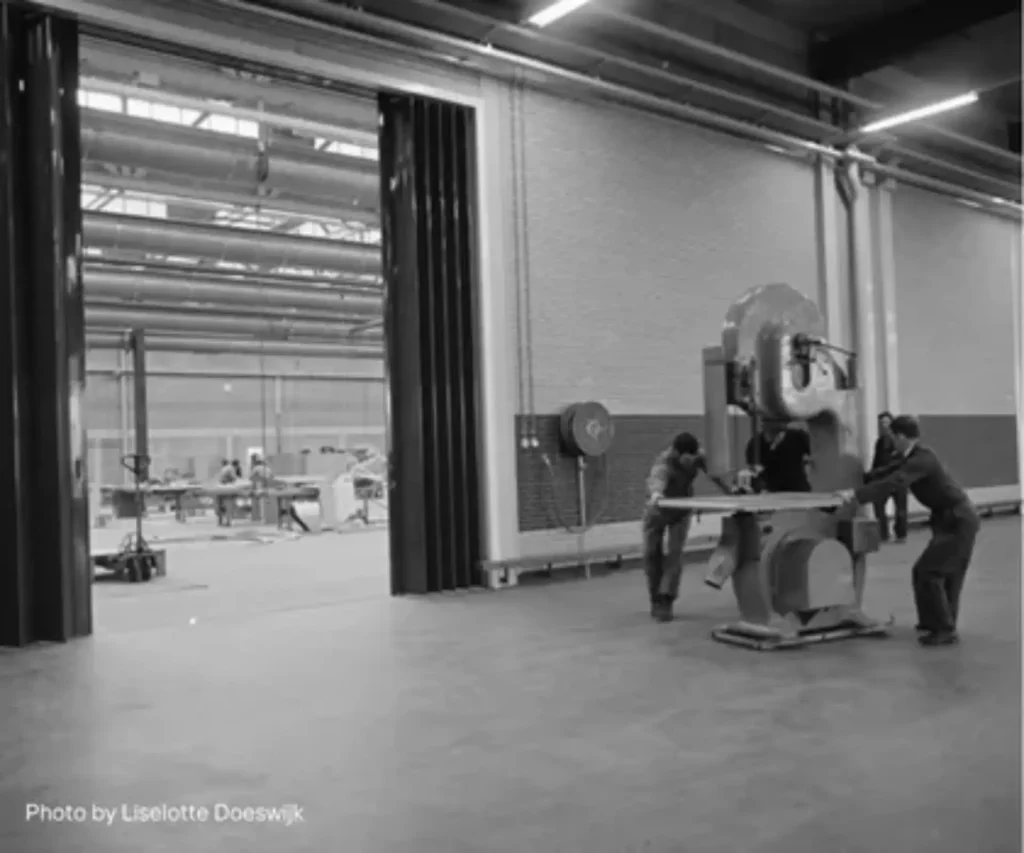
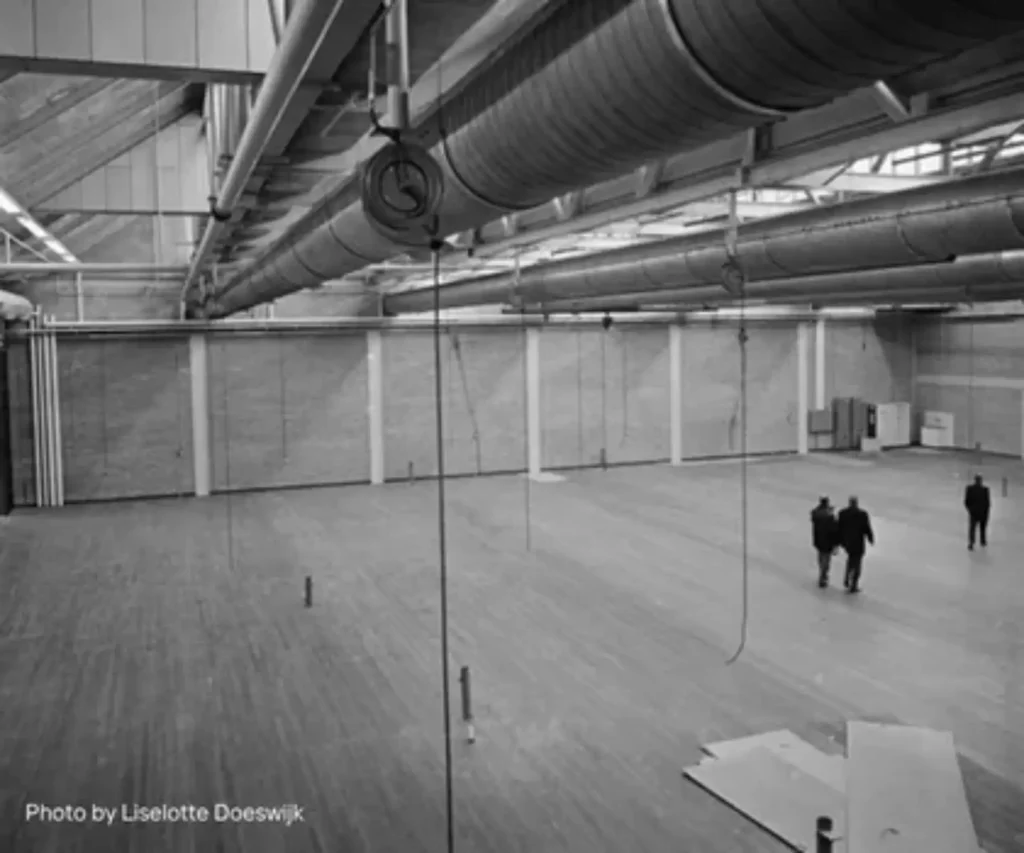
A decade later, the team has outgrown its original workspace. In 1960, the entire department moves from Bussum to a former carpet factory on Kampstraat in Hilversum. For the first time, all workshops are brought together in one place, a central woodworking hall, a large painting studio, a pre-assembly hall, an upholstery workshop, props storage, offices, and a staff canteen. With more space and better facilities, the team is able to build bigger and more complex productions than ever before.
In 1967, colour television arrives. From then on, sets are built for both black-and-white and colour broadcasts.


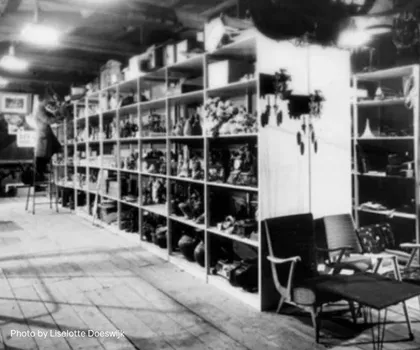
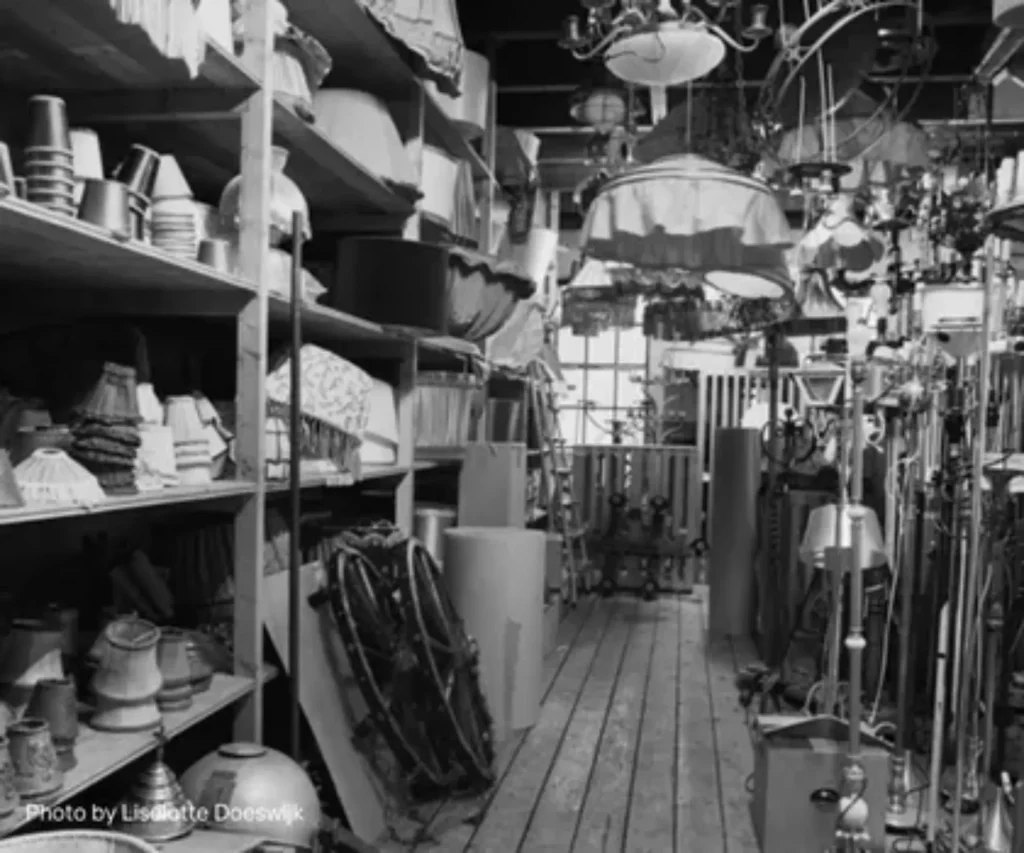
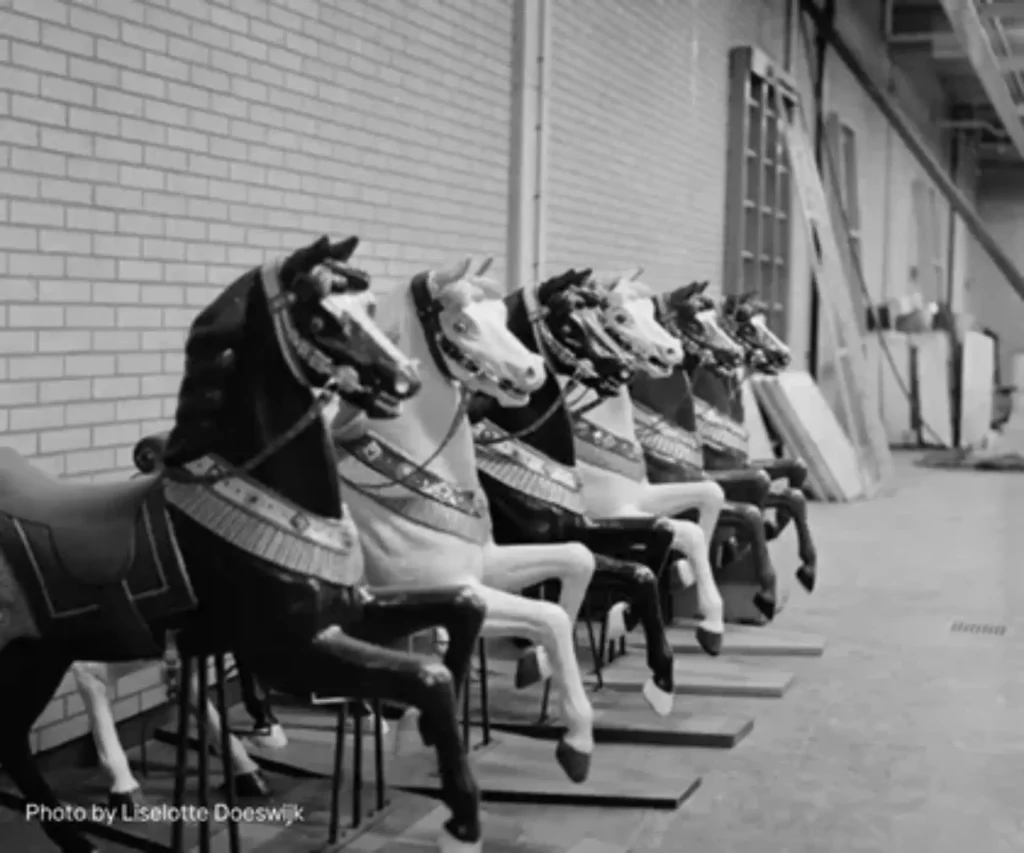
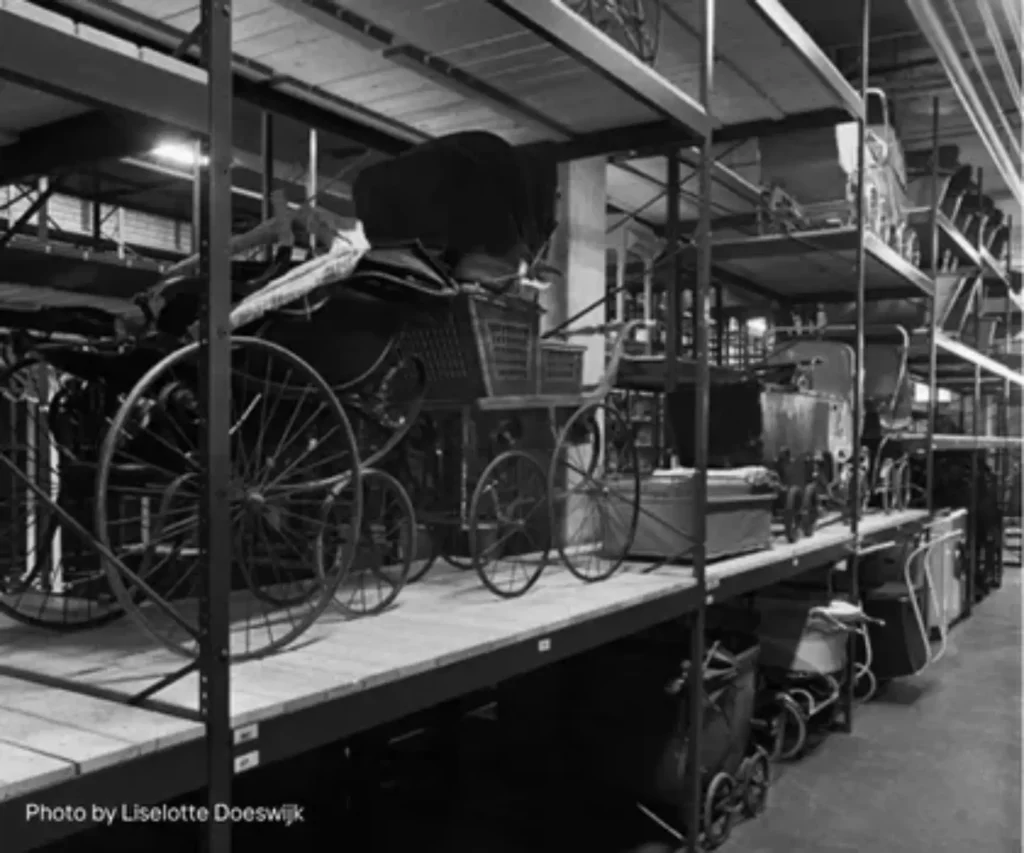
In 1972, the department moves to its permanent home: Media Park in Hilversum, where it continues under the name NOS Dekor. The team covers a wide range of specialist groups: machine woodworking, carpentry, decoration, painting, metalwork, a plaster department, chemistry, upholstery, light decoration, floral decoration, props, a furniture warehouse, a lamp warehouse, costume props, a textile warehouse, and weapons.
In 1967, colour television arrives. From then on, sets are built for both black-and-white and colour broadcasts.


When the NTS privatises its facilities, the set-building department continues independently as NOB Decor, together with designers from the former set design department. At that moment, it becomes the market leader in set construction for television, theatre, and events. Commercial television is booming, productions are getting bigger, and the demands on the craft are growing fast.
With privatisation comes a new reality. Broadcasters are no longer required to use NTS/NOB and can choose other suppliers. From that moment on, NOB Decor operates in an open market and competes with external companies as well.
Watch episode 2: the arrival of commercial television
Everything got faster and bigger. See how set building changed, from custom work to reusable sets, and from craft to growth. Joop van den Ende, Henny Huisman and Carlo Boszhard look back, together with former colleague Anuska Bán.